Plug-in solar in the United States: the independent state-by-state tracker
Every hour, the sun sends Earth more energy than everyone on it uses in a year.
State by state, America is deciding whether solar can simply plug into an outlet.
93,000,000 miles from the sun to Earth.
Light takes 8 minutes 20 seconds to cross it and reach your home.
No roof. No crew. No ladder.
Just a panel and a plug.
The rules are being written one state at a time.
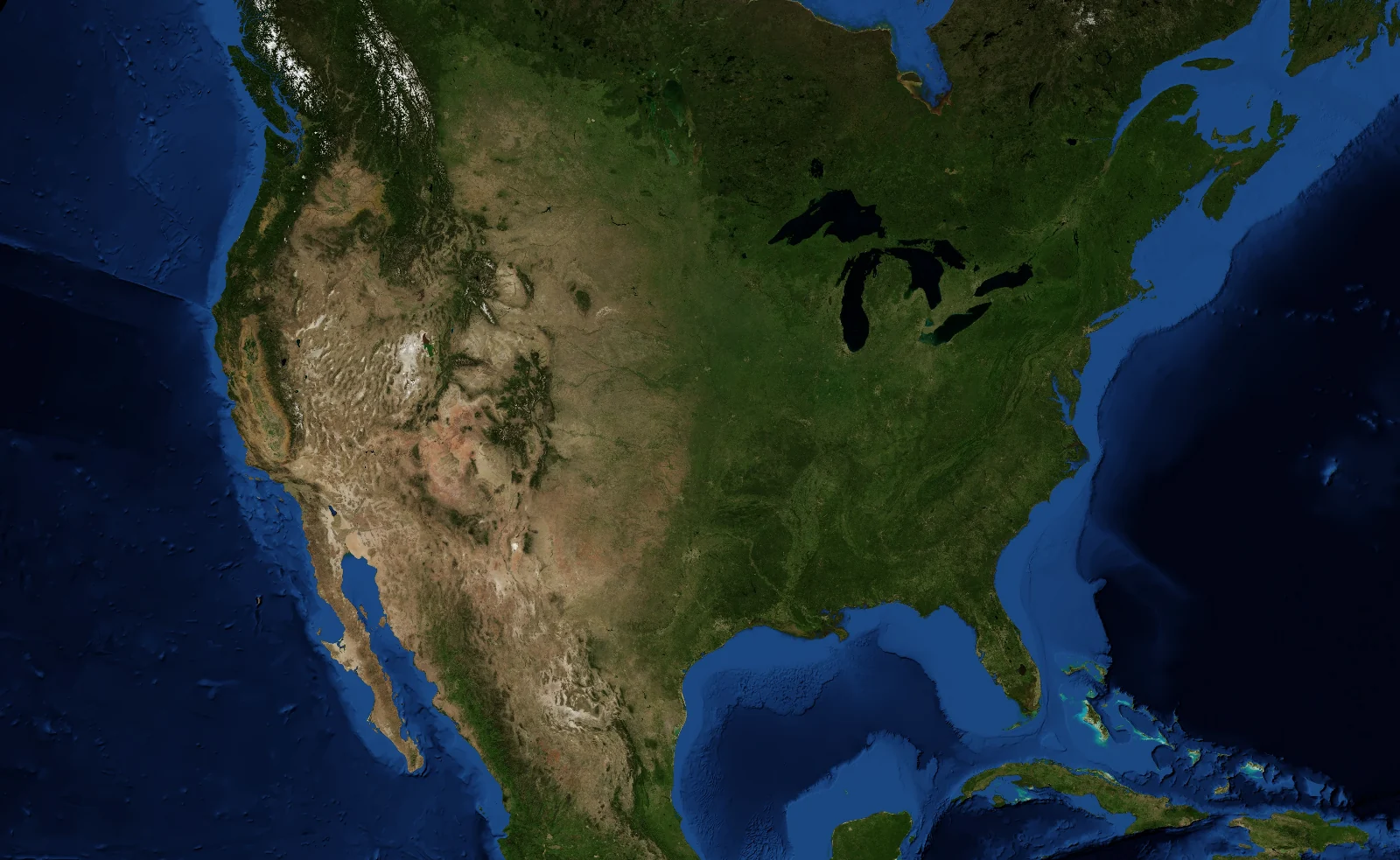
Below the clouds: the United States.
United States
Is plug-in solar legal in your state?
The rules are changing fast. We read each state’s law on its legislature’s own website and date every check, so you know exactly where you stand.
What you will find here
Every rule, from the source.
State by state
The law tracker
Every state that has passed a plug-in solar law, with the bill number, what it allows, when it starts and the date we last checked it. Check your state.
From the source
Read from the bill itself
Every rule we state links to the state legislature’s own record, not to a news story or a seller’s blog.
Safety
What the safety rules ask for
Plain-English explanations of the size limits and safety standards each state sets, so you can check a kit before you buy it.
Independent
No sponsored rankings
We do not sell kits. If we ever link to a shop, the link will be clearly labeled, and it will never change what we say.
How it works
How a plug-in kit actually works.
The panels catch daylight
One or two panels, on a balcony railing, a wall, a fence or a stand in the yard. They work on cloudy days too, just less.
A small box makes it household power
A microinverter turns what the panels make into the same kind of electricity your outlets supply, and shuts off by itself if the power goes out.
You plug it in
Into a regular outlet, where your state allows it. Each state sets its own limits, which is what our tracker covers.
Your home uses it first
The fridge, the router, the TV: whatever is switched on uses the solar power before it touches anything you pay for.
The rest goes to the grid
What your home cannot use flows out to the grid. So the trick is to use it while the sun is out.